Can I Put A 10 Amp On 7 Amp Fuse
- Can I Put A 10 Amp On 7 Amp Fuse Wire
- Can I Use A 10 Amp Fuse Instead Of A 5 Amp
- Can I Use A 10 Amp Fuse In A 15 Amp
The fuse prevents that happening, because its thin wire will melt and break the. The 10 amp fuse would normally protect a circuit carrying 7 amps: a 30 amp. The correct amp rating for the circuit (See How car electrical systems work); use.
- Fuse number 1 is 10 amp fuse 2 is 25 amp fuse 3is 25 amp fuse 4 is a spare fuse 5 is 10 amp fuse 6 is a spare fuse 7 is 20 amp fuse. But do NOT put a fuse to big in. So if your fuse panel calls.
- Jan 22, 2016 A 10 amp fuse is meant to protect a HEAVIER wire. So putting more lighting on a 7 amp circuit will put more load on that circuit. If you exceed the 7 amp rating then the fuse is supposed to blow out - thus protecting your car from an electrical fire. If you put a 10 amp fuse on it you might as well put a 1000 amp fuse on it.
ANS: The veh is a 1957 Corvette. THe cigarette lighter does NOT get fused.
My understanding is that the ’57 sedan does get fused. In any event, I want the extra protection so I’m putting in an inline fuse holder.I assume the cigarette lighter itself grounded out which caused the ground wire to completely melt onto the carpet. I was lucky.it could have been worse!Tested the cigarette lighter and it seems OK.I’ll soon found out when I put juice to it. Worse scenario is a blown fuse.I’m dealing with a 51 year old item here.
How to: Mount a SFTP Folder (SSH + FTP) on Ubuntu Linux using SSHFS & FusePurpose: to mount a remote directory on my local Ubuntu Linux Desktop system using SFTP (which is SSH in an FTP-like fashion). The goal is to easily gain access to a remote system’s files through another folder on my desktop.
Can I Put A 10 Amp On 7 Amp Fuse Wire
Debina/Ubuntu allows you to easily mount SSH folders via the GUI, however, these mounts won’t show up in the terminal (and in some programs). I used to accomplish this.Special Thanks: goes to user llamakc from ubuntuforums.org for helping me with this one night; also, can find.) install the sshfs software and mountAfter some trial and error on my part, I found that only a few simple steps are needed to get everything up and running:First, get the software (which is based on ); if you have Ubuntu, this is easy because it is an included package available for easy install. After the package is installed, you need to add your username to the fuse group. On Ubuntu, you would open a terminal window and perform the following:.
sudo aptitude update. sudo aptitude install sshfs. sudo adduser yourusername fuseAfter, restart your machine. (I have tried just logging in and logging out, but I kept getting permissions errors — all of which disappeared after a restart.)The next step it so to create an empty directory that will serve as the “window” into the SFTP server.
Can I Use A 10 Amp Fuse Instead Of A 5 Amp
I created a folder on my desktop called sftp. Once the folder has been created, simply run sshfs using the appropriate login information (host username and IP), the host and local directories, and the SFTP connection is mounted on a folder on my desktop. mkdir /Desktop/sftp. sshfs HOSTuser@remote.host.or.ip:/host/dir/to/mount /Desktop/sftpThis folder will work like any other folder on your system; when you restart your computer (or logout and log back in) you will have to go through the last step of the process again (calling the sshfs program) to enable the folder on your desktop (save time by ). Possible errors and workaroundsWhen I restarted my system the first time (using Ubuntu 6.06), after having so cleverly got sshfs to work, and tried to run my sshfs command I got an error:. sshfs HOSTuser@remote.host.or.ip:/host/dir/to/mount /Desktop/sftpfusermount: failed to open /dev/fuse: No such file or directoryA quick search on google brought me to the for sshfs and there, lo and behold, the following was suggested to rectify the situation:.
sudo mknod -m 666 /dev/fuse c 10 229After running this command, I was able to mount my SFTP directory. I never received this error using Ubuntu 6.10.If you get any permission denied warnings, be sure you have added your username to the fuse group and also restarted your system. Create a bash alias to save time and typingTo save time, I created a bash alias that would remember all the details for me (thanks to for the naming suggestions).First, make make sure my system reads from the /.bashaliases file (it may not be default). Open /.bashrc and ensure the following lines are uncommented: # Alias definitions.# You may want to put all your additions into a separate file like# /.bashaliases, instead of adding them here directly.# See /usr/share/doc/bash-doc/examples in the bash-doc package.if -f /.bashaliases ; then. /.bashaliasesfiNext, create (or modify if you already have one) your /.bashaliases file.
nano /.bashaliasesI added the following single line of code to the document (first call the mknod, if you are getting the error, then the sshfs): alias dt-sftp='sudo mknod -m 666 /dev/fuse c 10 229; sshfs HOSTuser@remote.host.or.ip:/host/dir/to/mount /Desktop/sftp'Now, when I open the terminal, I just type (of course, you can name it whatever you want):. dt-sftpAnd everything loads correctly. Is very fast and very nice. Changes to your /.bashaliases file will only take effect after you have reopened the terminal or called:. /.bashaliasesfinally:If you ever want to unmount the directory without logging out or restarting, use the following:.
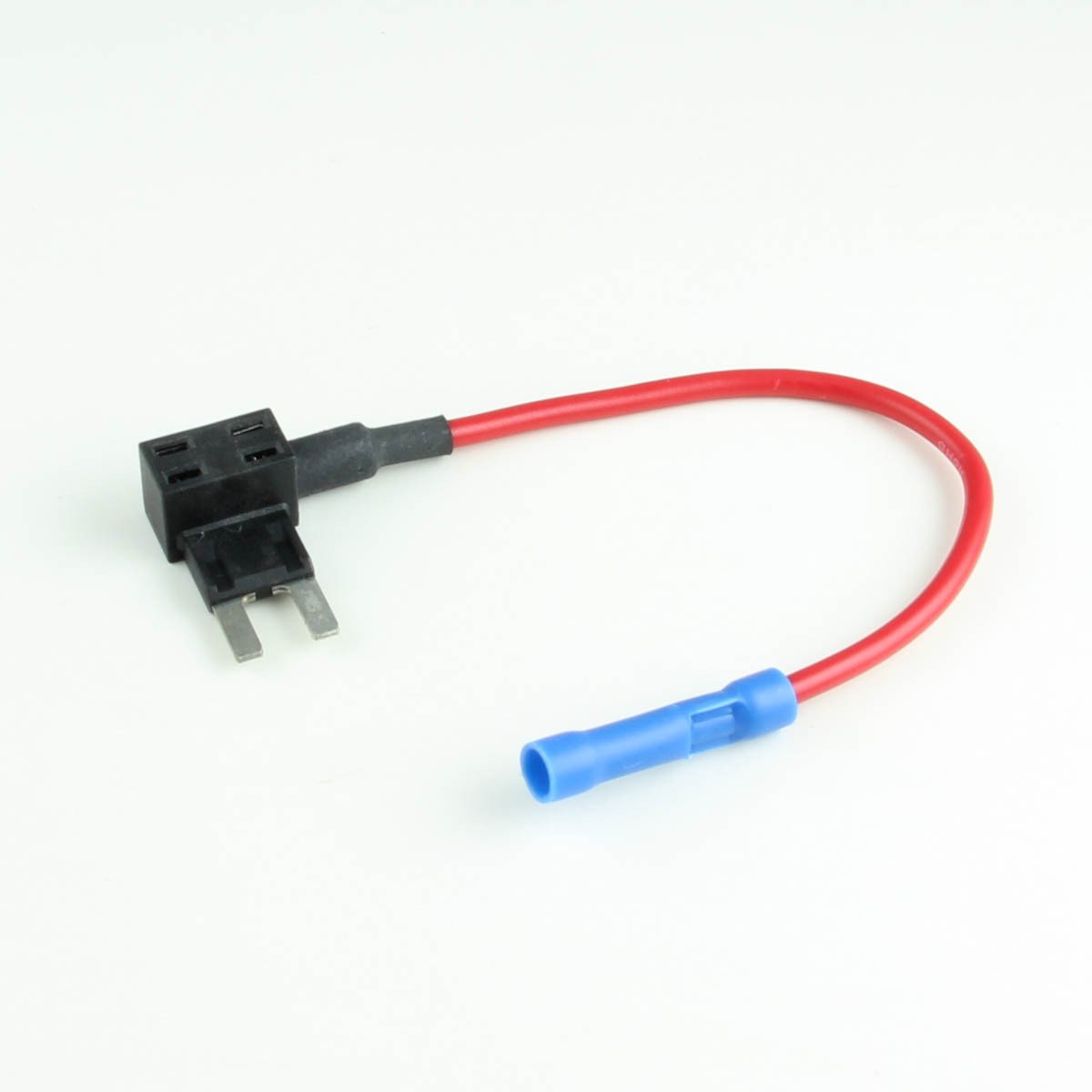
Can I Use A 10 Amp Fuse In A 15 Amp
fusermount -u /Desktop/sftpThis entry was posted on Sunday, October 29th, 2006 at 12:58 pm and is filed under. You can follow any responses to this entry through the feed.Both comments and pings are currently closed.Tags:,.