What Is Metoprolol Succinate

What Is Metoprolol Succinate Used For

Key:IUBSYMUCCVWXPE-UHFFFAOYSA-N YMetoprolol, marketed under the tradename Lopressor among others, is a medication of the selective type. It is used to treat, and a number of conditions involving an. It is also used to prevent further heart problems after and to prevent headaches in those with.Metoprolol is sold in formulations that can be taken by mouth or given intravenously. The medication is often taken twice a day. The extended-release formulation is taken once per day. Metoprolol may be combined with (a diuretic) in a single tablet.Common side effects include trouble sleeping, feeling, and abdominal discomfort. Large doses may cause serious toxicity.
Metoprolol Succinate is the succinate salt form of metoprolol, a cardioselective competitive beta-1 adrenergic receptor antagonist with antihypertensive properties and devoid of intrinsic sympathomimetic activity. Metoprolol succinate antagonizes beta 1-adrenergic receptors in the myocardium, thereby reducing the rate and force of myocardial contraction, and consequently a diminished cardiac output.
Risk in pregnancy has not been ruled out. It appears to be safe in breastfeeding.
Greater care is required with use in those with liver problems. Stopping this drug should be done slowly to decrease the risk of further health problems.Metoprolol was first made in 1969, patented in 1970, and approved for medical use in 1982. It is on the, the most important medications needed in a basic. It is available as a. In 2016, it was the 6th most prescribed medication in the United States, with more than 74 million prescriptions.
Contents.Medical uses Metoprolol is used for a number of conditions, including, and prevention of. Treatment of. Adjunct in treatment of. Prevention of relapse into (controlled-release/extended-release form)Due to its selectivity in blocking the receptors in the heart, metoprolol is also prescribed for in, and other.Available forms Metoprolol is sold in formulations that can be taken by mouth or given intravenously.
The medication is often taken twice a day. The extended-release formulation is taken once per day. Metoprolol may be combined with (a diuretic) in a single tablet. Adverse effects Adverse effects, especially with higher doses, include dizziness, drowsiness, fatigue, diarrhea, unusual dreams, trouble sleeping, depression, and vision problems.
Β-blockers, including metoprolol, reduce salivary flow via inhibition of the direct sympathetic innervation of the salivary glands. Metoprolol may also reduce blood flow to the hands or feet, causing them to feel numb and cold; smoking may worsen this effect.
What Is Metoprolol Succinate Xl Used For
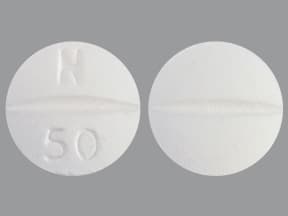
Metoprolol Succinate ER is a prescription medication dispensed in a 25 mg tablet form for oral ingestion. Produced by the pharmaceutical company AstraZeneca under the brand name of Toprol XL, Metoprolol Succinate ER was approved by the FDA in 2001. Metopronol Succinate ER is used to treat angina (chest pain), high blood pressure and heart failure. It is also used as a treatment for the prevention of heart attacks. Side effects such as dizziness, weakness and depression are not uncommon among users. DosageMetoprolol Succinate ER can be prescribed as 25 mg, or up to 100 mg tablets if your condition worsens. Take Metoprolol Succinate ER exactly as prescribed and don't skip a dose.
If you forget to take Metoprolol Succinate ER, be sure to take it as soon as you remember. Metoprolol Succinate ER should be taken with food, either with or directly after a meal. Never take a double dose as it may cause an overdose. Metoprolol Succinate ER symptoms of overdose are uneven heartbeat, breathing difficulties like shortness of breath, bluish-colored fingernails, dizziness and weakness or fainting.
Less Severe Side EffectsAssociated with a few moderate side effects, Metoprolol Succinate ER side effects include vomiting or nausea, decreased sex drive or impotence, and anxiety or tiredness. Tell your doctor if any of these symptoms occur as a result of taking Metoprolol Succinate ER. Serious Side EffectsMore serious Metoprolol Succinate ER side effects which require immediate medical care may include slow, uneven heartbeat, lightheadedness and fainting, swelling of the ankles and feet or short of breath. Notify your doctor immediately if you experience a dark urine, a loss of appetite, jaundice or depression or any severe side effect as a result of taking Metoprolol Succinate ER. Depression and Metoprolol Succinate ERMetoprolol Succinate ER has been associated with creating or worsening depression symptoms in users.
Your doctor should be informed if you have a experienced depression within the past five years. If you have a history of clinical depression, be sure to tell your doctor before taking Metoprolol Succinate ER. If you experience trouble sleeping, a change in appetite or difficulty concentrating, you might be experiencing depression due to Metoprolol Succinate ER and may need to change medications. WarningDon't stop taking Metoprolol Succinate ER suddenly without first discussing with your doctor. Chest pain, heart attack or uneven heartbeats may occur as a result of suddenly stopping treatment. It is important that you take Metoprolol Succinate ER exactly as directed and do not use alcohol while taking this medication. If you are having a surgical procedure, make sure your surgeon knows you are taking Metoprolol Succinate ER (even if it is dental surgery).
Do not take Metoprolol Succinate ER while suffering from health conditions such as heart failure, heart block or slow heart rate. Inform your doctor of your full medical history and all the medications you are currently taking before using Metoprolol Succinate ER.