Cambridge Biological Anthropology Series
- Biological anthropology, also known as physical anthropology, is a scientific discipline concerned with the biological and behavioral aspects of human beings, their extinct hominin ancestors, and related non-human primates, particularly from an evolutionary perspective. It is a subfield of anthropology that provides a biological perspective to the systematic study of human beings.
- This list contains all other lists of seminars and events within the Division of Biological Anthropology. See www.bioanth.cam.ac.uk for more details. Tell a friend.
16, American Journal of Physical Anthropology, journal, 1.276 Q1, 108, 252, 607. Papers of the American Museum of Natural History, book series, 0.705 Q1, 6.
The unique contribution made by biological anthropology to human welfare lies in the fundamental understanding it can provide of the dynamic interrelationships between physical and social factors. By understanding these patterns, we can interpret the significance of variation in such measures of human well-being in terms of the incidence of disease and mortality rates. Topics covered include reproductive ecology and fertility, nutritional status in relation to health, and the effects of pollution on growth.
In the later chapters, the concepts of physiological adaptation, and Darwinian fitness and its relation to individual physical fitness are explored. Introduction G. Reproductive ecology and human fertility P. Nutritional status: its measurement and relation to health C. Mascie-Taylor; 4.
Pollution and human growth: lead, noise, polychlorobiphenol compounds, and toxic wastes L. Human physiological adaptation to high altitude environments L. Darwinian fitness, physical fitness and physical activity R. Human evolution and the genetic epidemiology of chronic degenerative diseases D.
The biology of human aging W. Stini; Literature cited; Index.
The unique contribution made by biological anthropology to human welfare lies in the fundamental understanding it can provide of the dynamic interrelationships between physical and social factors. By understanding these patterns, we can interpret the significance of variation in such measures of human well-being in terms of the incidence of disease and mortality rates.

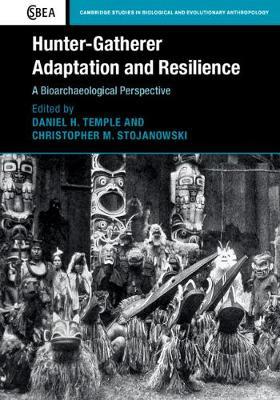
Cambridge University Anthropology
Topics covered include reproductive ecology and fertility, nutritional status in relation to health, and the effects of pollution on growth. In the later chapters, the concepts of physiological adaptation, and Darwinian fitness and its relation to individual physical fitness are explored. Introduction G. Reproductive ecology and human fertility P. Nutritional status: its measurement and relation to health C. Mascie-Taylor; 4. Pollution and human growth: lead, noise, polychlorobiphenol compounds, and toxic wastes L.
Human physiological adaptation to high altitude environments L. Darwinian fitness, physical fitness and physical activity R. Human evolution and the genetic epidemiology of chronic degenerative diseases D. The biology of human aging W.
Stini; Literature cited; Index.